Home » Quality Verification Engineering
Quality Verification Engineering
Quality Verification Engineering
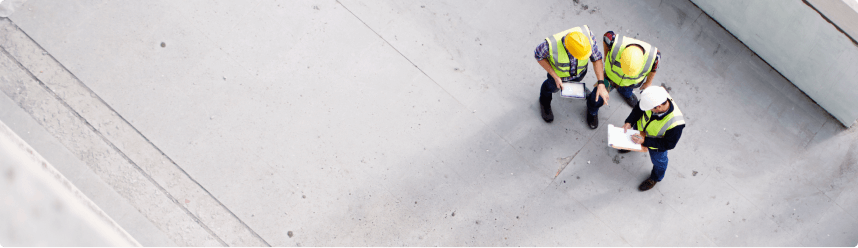
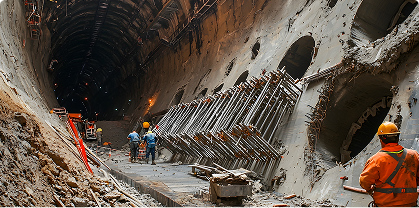
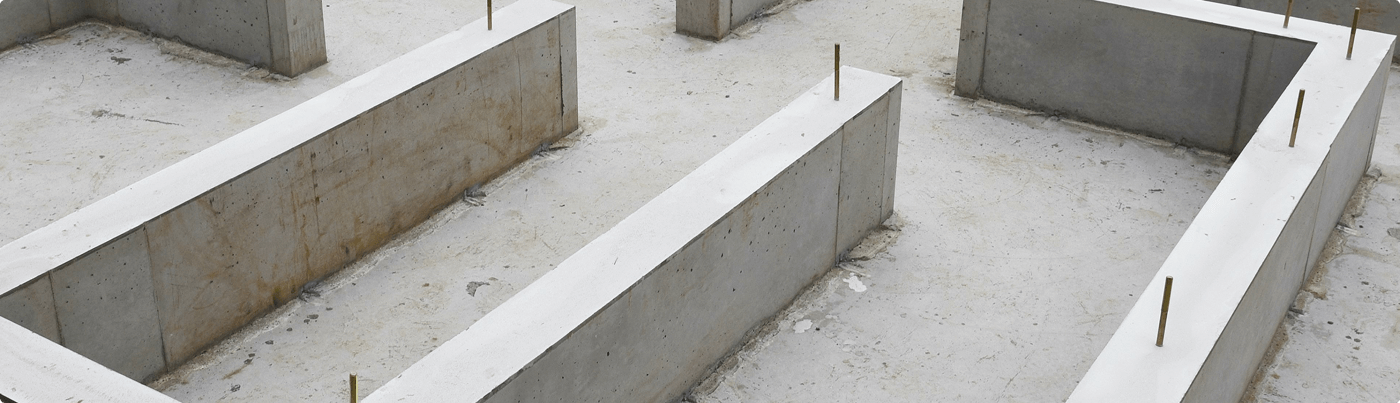
On-site technical representation during foundation and embankment construction to confirm that all components of work are carried out in general conformance with the requirements of the contract documents and drawings.
ACI Certified Concrete Testing
Our technicians are trained and evaluated in standardized procedures for sampling fresh concrete, performing field tests (such as slump, air content, and temperature), and preparing and curing concrete test cylinders for compressive strength testing.
Using ACI certified personnel ensures that concrete testing is performed consistently, accurately, and in accordance with recognized industry standards, providing reliable data for verifying concrete quality, compliance with specifications, and overall structural performance.
Expertise and Support
Customized quality verification engineering software streamlines data collection, analysis, and reporting by tailoring workflows to the specific needs of a project. It improves accuracy by reducing manual entry, automates compliance checks against project specifications, and integrates field, laboratory, and instrumentation data into a single platform. This leads to faster decision-making, stronger documentation for QA/QC, and improved traceability across all stages of construction. Ultimately, custom software enhances efficiency, consistency, and confidence in engineering verification processes.
Wick Drain Inspection
Inspection of wick drain installation involves verifying that prefabricated vertical drains (PVDs) are placed according to the project design to accelerate consolidation of soft, compressible soils. Inspectors confirm drain layout, spacing, alignment, and depth using installation records, equipment monitoring systems, and post-installation checks.
Rebar Cage Inspection
Inspection of a caisson rebar cage involves verifying that the reinforcing steel is fabricated and installed according to the project drawings and specifications before the cage is placed into the drilled shaft. The inspector checks bar size, spacing, lap lengths, ties, and overall cage dimensions, as well as the placement of centralizers to ensure proper concrete cover. The cage is also examined for rigidity, alignment, and secure tying to prevent deformation during lifting and installation. Proper documentation is completed to confirm compliance and ensure the structural integrity of the completed caisson.